Inside the Inspection: What Do Home Inspectors Really Look For?
Whether you’re buying or selling a home, one of the most important steps in the process is the inspection. Still, many people—especially first-time homebuyers—find themselves wondering: what do home inspectors really look for during this process?
A professional inspection helps uncover hidden problems and protects you from costly surprises. In this guide, we’ll walk you through exactly what inspectors evaluate in each area of the home, so you’ll know what to expect and why it matters.
Why It’s Important to Understand What Home Inspectors Really Look For
Homes may appear well-kept, but hidden issues often go unnoticed without a trained eye. Learning what do home inspectors really look for gives buyers the power to negotiate or walk away, and helps sellers prepare their homes for a smoother sale.
Hiring a trusted inspector like the team at Taylored Home Inspections ensures you receive a detailed, honest report to help you make confident decisions—whether you’re purchasing your first home or preparing to sell one.
What Do Home Inspectors Really Look For? A Room-by-Room Guide
Foundation and Exterior
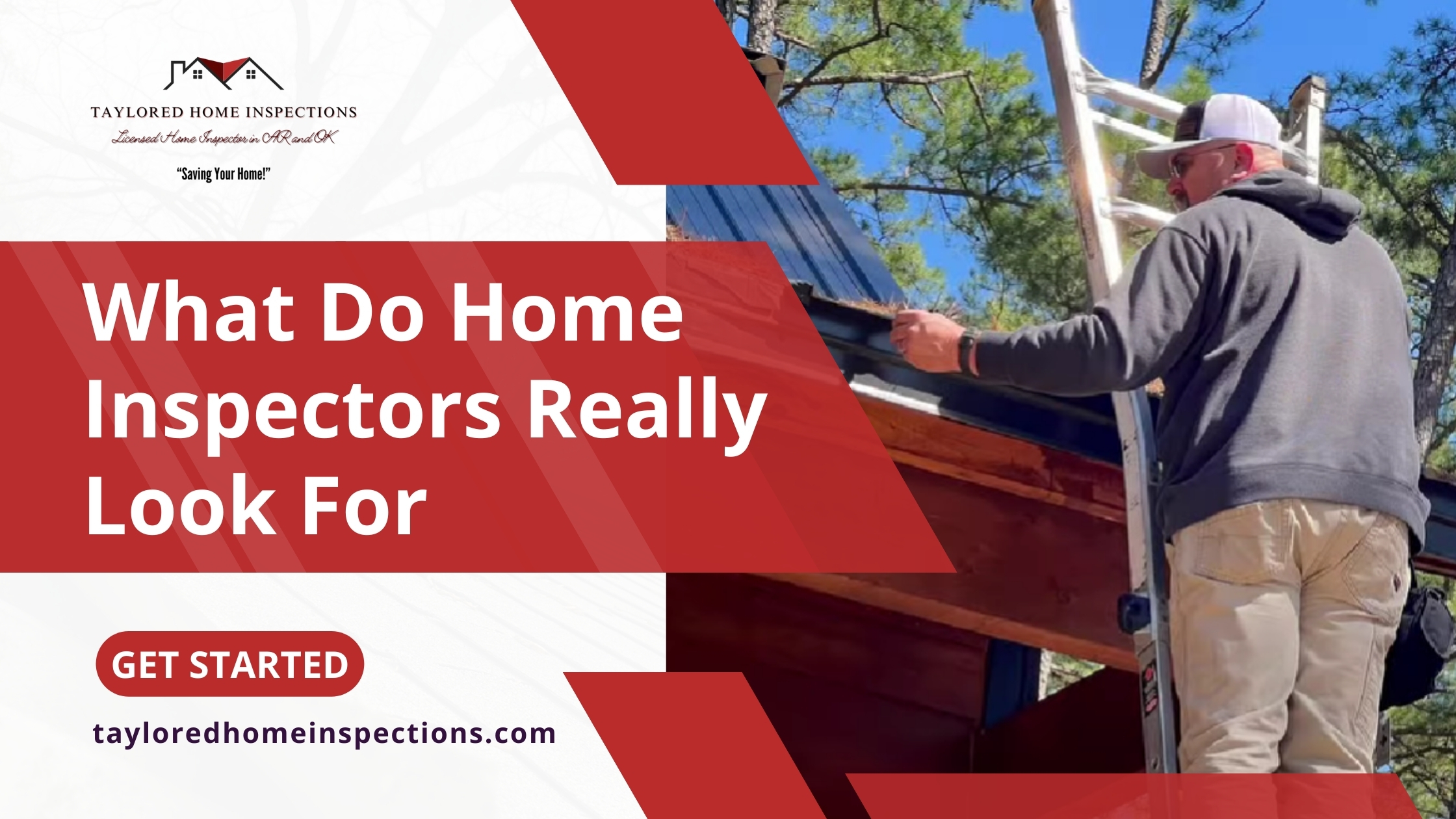
Home inspectors start with a full walkaround, looking for cracks in the foundation, damaged siding, poorly draining gutters, and any grading issues that might lead to water intrusion. They also examine the condition of the roof, driveways, decks, and porches.
Inspectors check if the property slopes away from the house, which prevents water from pooling near the foundation—a common cause of long-term structural damage.
Garage and Attic
In the garage, inspectors examine walls, ceilings, doors, and fire safety features. They also check mechanical systems if present. In the attic, they assess insulation levels, ventilation, and signs of water intrusion or pests.
Poor attic airflow or moisture buildup may not be obvious at first glance, but can significantly impact your home’s energy efficiency and long-term condition.
Interior Living Areas
Inside, inspectors check ceilings, walls, floors, and staircases for cracks, stains, or uneven surfaces. Windows and doors are tested to ensure they open, close, and seal properly. Electrical outlets and fixtures are inspected for safety and function.
These everyday features often reveal clues about a home’s condition, such as moisture intrusion, settling, or electrical risks.
Kitchen
When it comes to the kitchen, inspectors examine sink plumbing, garbage disposals, and appliance connections. They test outlets, especially GFCI outlets near water sources, and look for signs of leaks or water damage under the sink and around dishwashers and refrigerators.
Kitchens are high-traffic, high-usage spaces, so knowing what home inspectors really look for in this room is key to avoiding expensive repair bills.
Bathrooms
Bathrooms receive close attention due to their high moisture levels. Inspectors check for proper ventilation, leaks, mold or mildew, water pressure, and the condition of caulking and grout. Even minor leaks can lead to structural damage if ignored over time.
Basement or Crawlspace
These areas often reveal the most about a home’s long-term health. Inspectors look for moisture, mold, poor insulation, pest activity, and foundation concerns. In crawlspaces, they check for proper vapor barriers, insulation, and any signs of rot or settling.
Major Systems: HVAC, Electrical, Plumbing
No inspection is complete without a thorough review of the home’s major systems.
-
HVAC Systems: Inspectors check the furnace, air conditioner, ductwork, and filters. They look for age, performance, and maintenance needs.
-
Electrical Panels: Panels are reviewed for proper grounding, breaker conditions, and safe wiring practices.
-
Plumbing: Pipes are examined for leaks, corrosion, and water pressure. Water heaters are evaluated for condition and installation quality.
These systems represent some of the most expensive elements to repair, making this section of the inspection crucial.
Why Hiring a Professional Inspector Matters
It’s easy to fall in love with the layout, lighting, or location of a house. But the real question is: what do home inspectors really look for—and are you prepared to address what they find?
A skilled inspector provides more than just a checklist—they offer peace of mind. At Taylored Home Inspections, we help homeowners identify risks before they become problems. Our comprehensive reports are clear, detailed, and always honest.
Frequently Asked Questions
1. What are the top questions buyers should ask during an inspection?
Ans: Buyers should ask about any safety concerns, the condition of HVAC and electrical systems, roof age, visible mold or water damage, and urgent vs. long-term repairs.
2. What are the four main areas of a home inspection?
Ans: The most important areas include the roof, electrical, plumbing, and HVAC systems—also known as the “4-point inspection.”
3. How do home inspectors get their clients?
Ans: Many home inspectors build trust through referrals, professional websites, online visibility, real estate agent partnerships, and excellent customer service.
4. How does a home inspection work?
Ans: Inspectors assess accessible areas of the home for safety and function. Afterward, they provide a detailed report with findings, photos, and recommendations.
Final Thoughts
So—what do home inspectors really look for? The short answer: everything that affects the safety, function, and value of your home.
A quality inspection helps you move forward with clarity and confidence. Whether you’re buying or selling, understanding what inspectors check is the first step to protecting your investment.
Looking for a reliable home inspection in your area? Visit Taylored Home Inspections and let our experienced team guide you through the process.